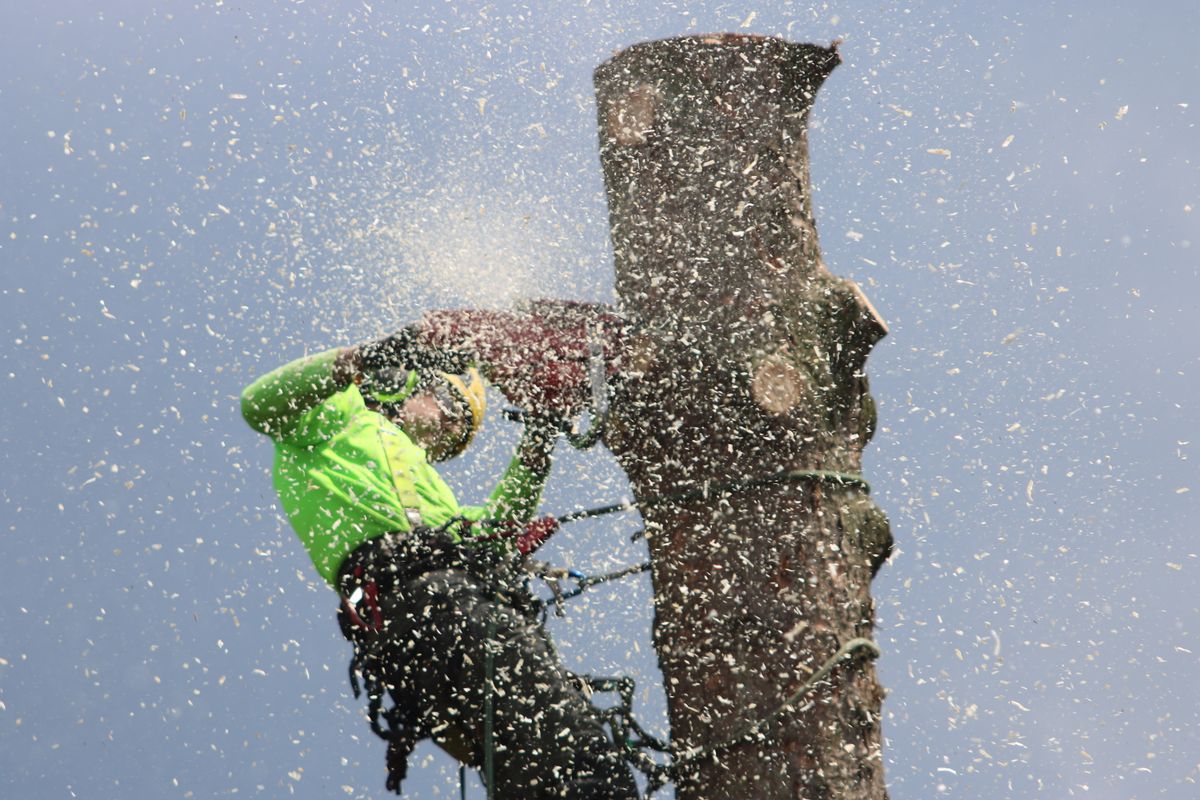
Tree Removal
Controlled removal for dead, declining, storm-damaged, crowded, or unwanted trees.
Learn about tree removal →Request tree removal, pruning, stump grinding, storm cleanup, and related tree service across College Station, Bryan, and nearby Brazos Valley communities.
Tree work is easier to plan when the service matches the actual objective. These pages explain what each job can involve, what affects scope, and what to clarify in an estimate.
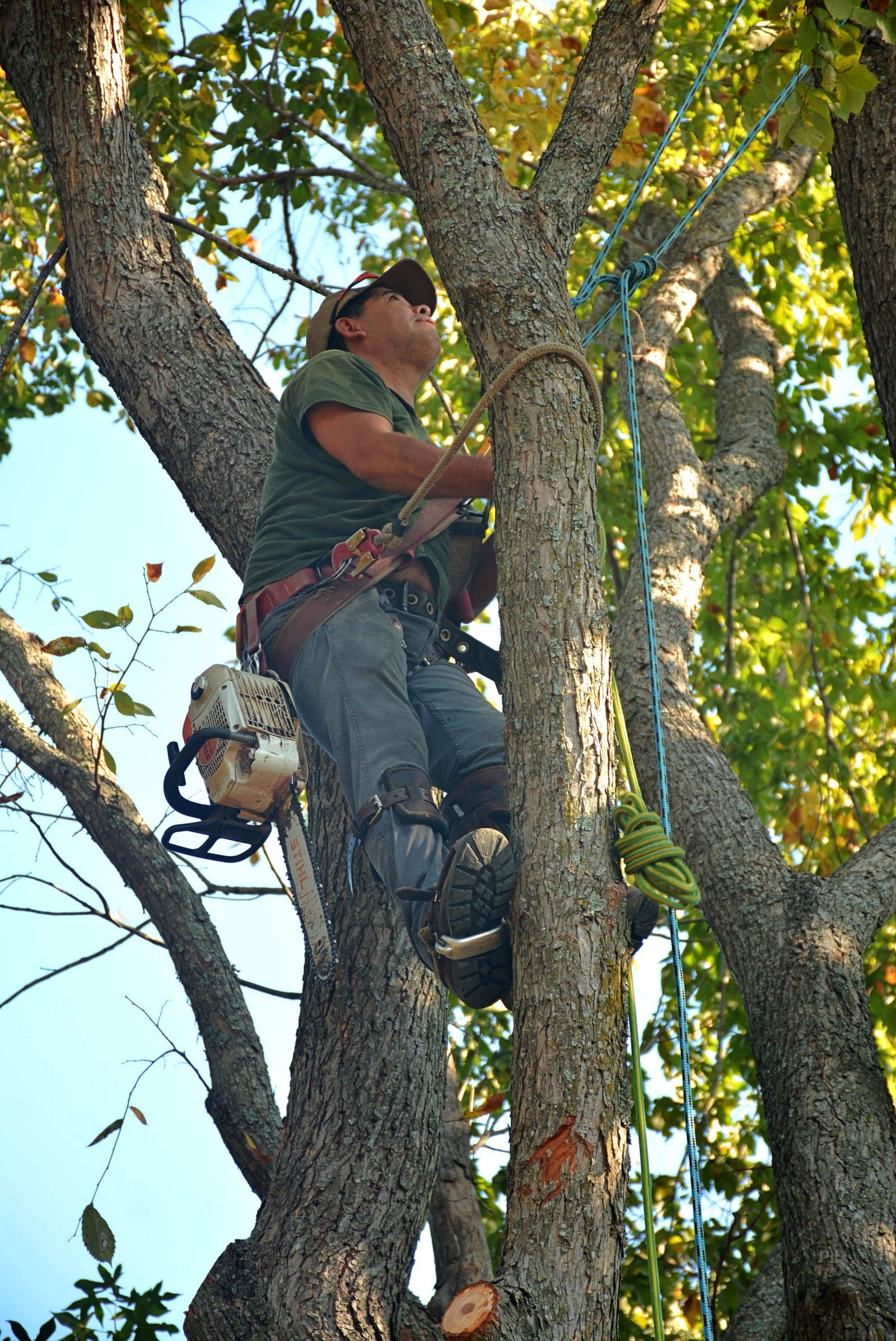
Controlled removal for dead, declining, storm-damaged, crowded, or unwanted trees.
Learn about tree removal →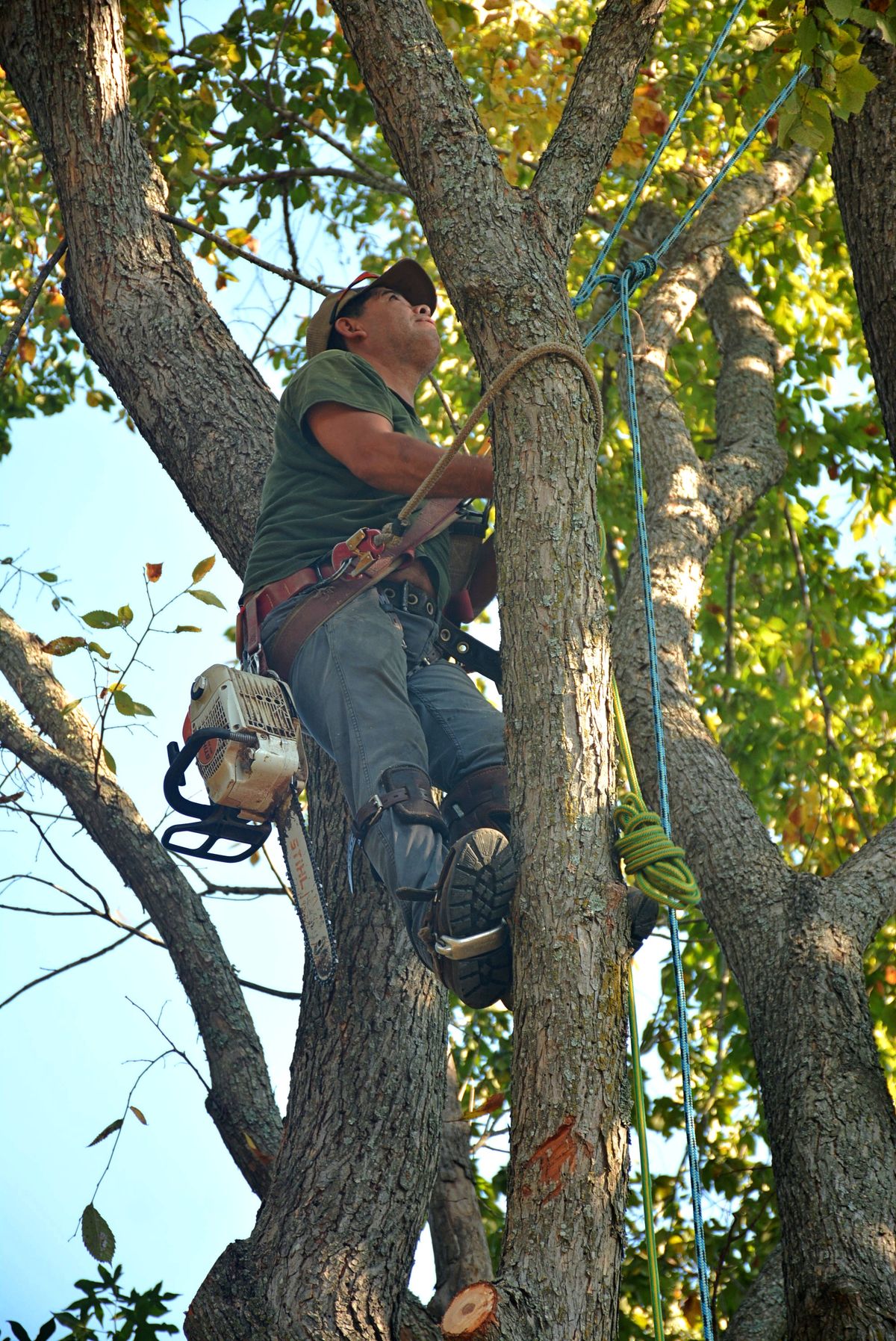
Pruning for clearance, structure, deadwood, storm damage, and healthier long-term growth.
Learn about tree trimming & pruning →
Stump reduction for cleaner yards, easier mowing, replanting, and construction clearance.
Learn about stump grinding →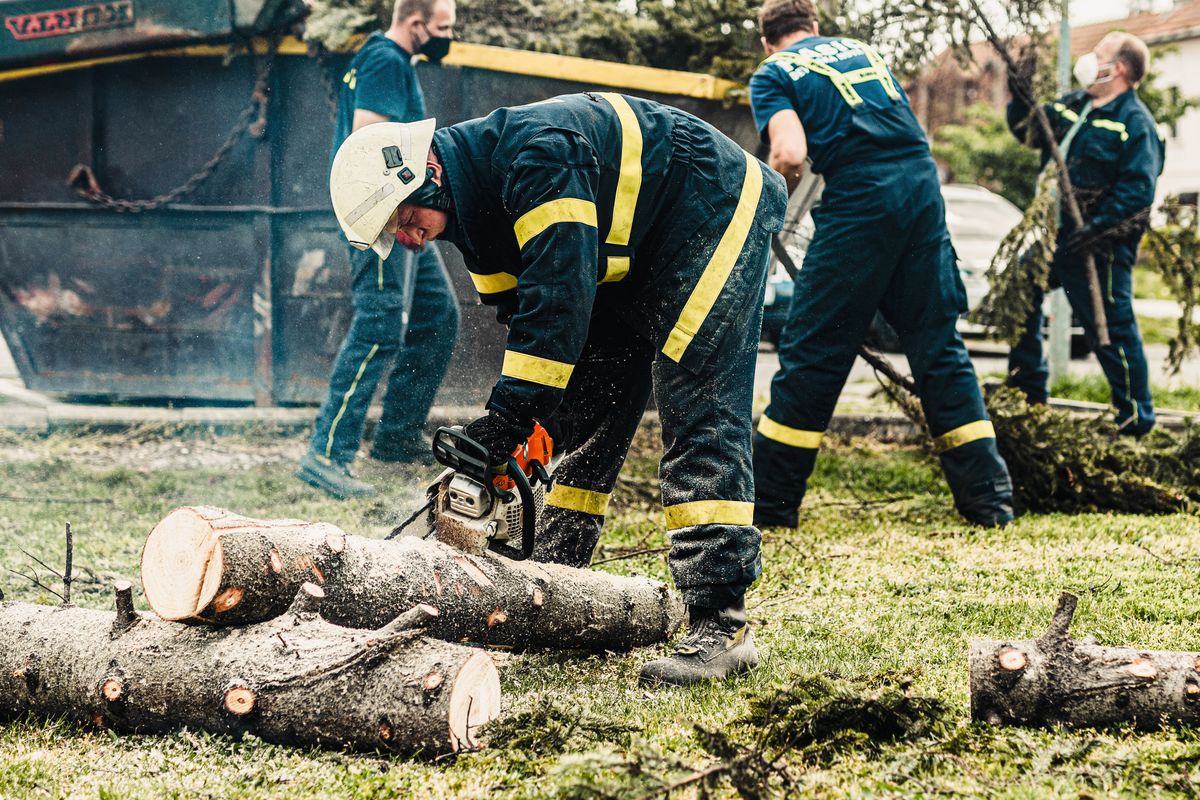
Urgent help for fallen trees, hanging limbs, blocked access, and storm-created tree hazards.
Learn about emergency tree service →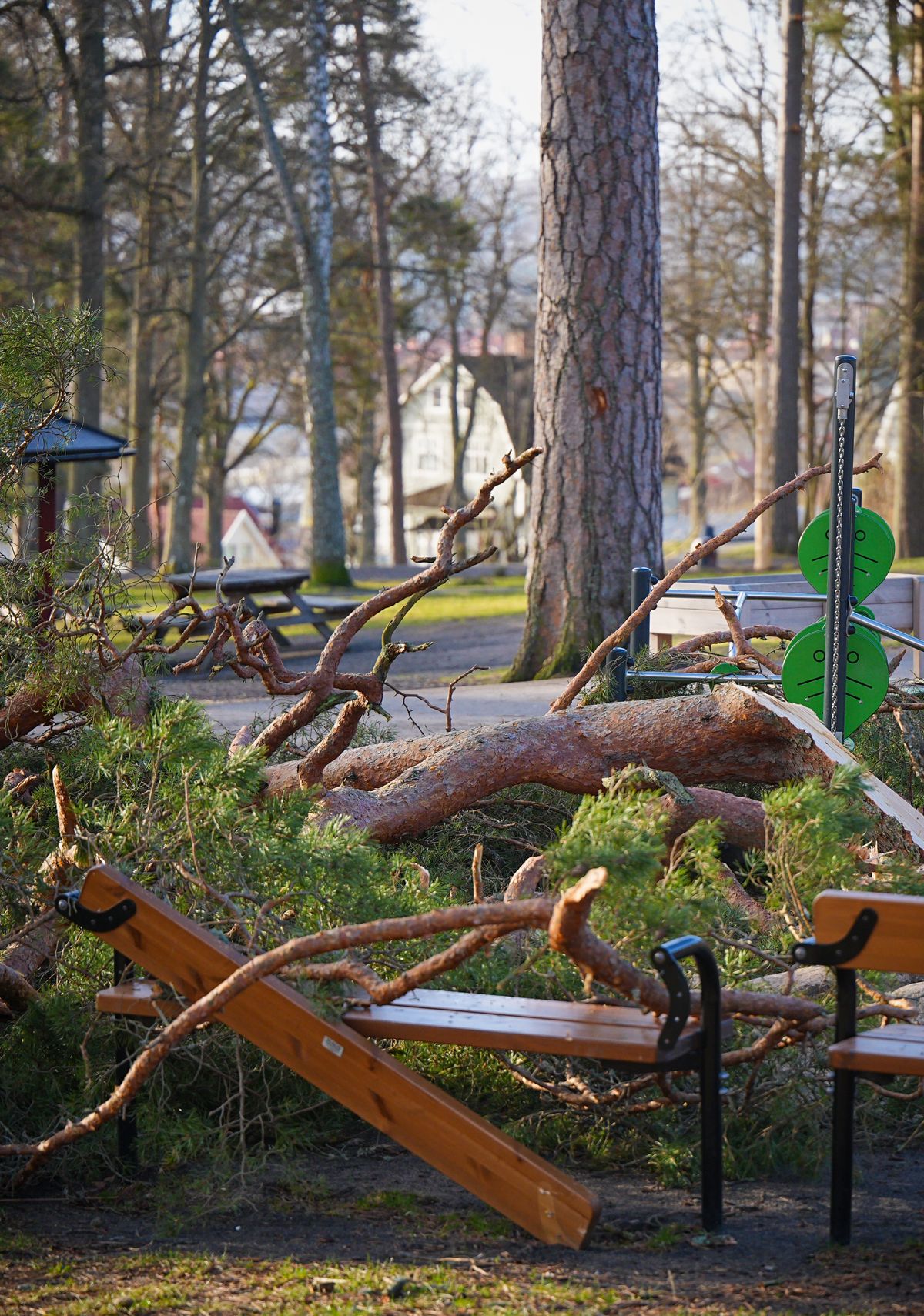
Post-storm removal of broken limbs, downed tree material, and damaged tree debris.
Learn about storm damage tree cleanup →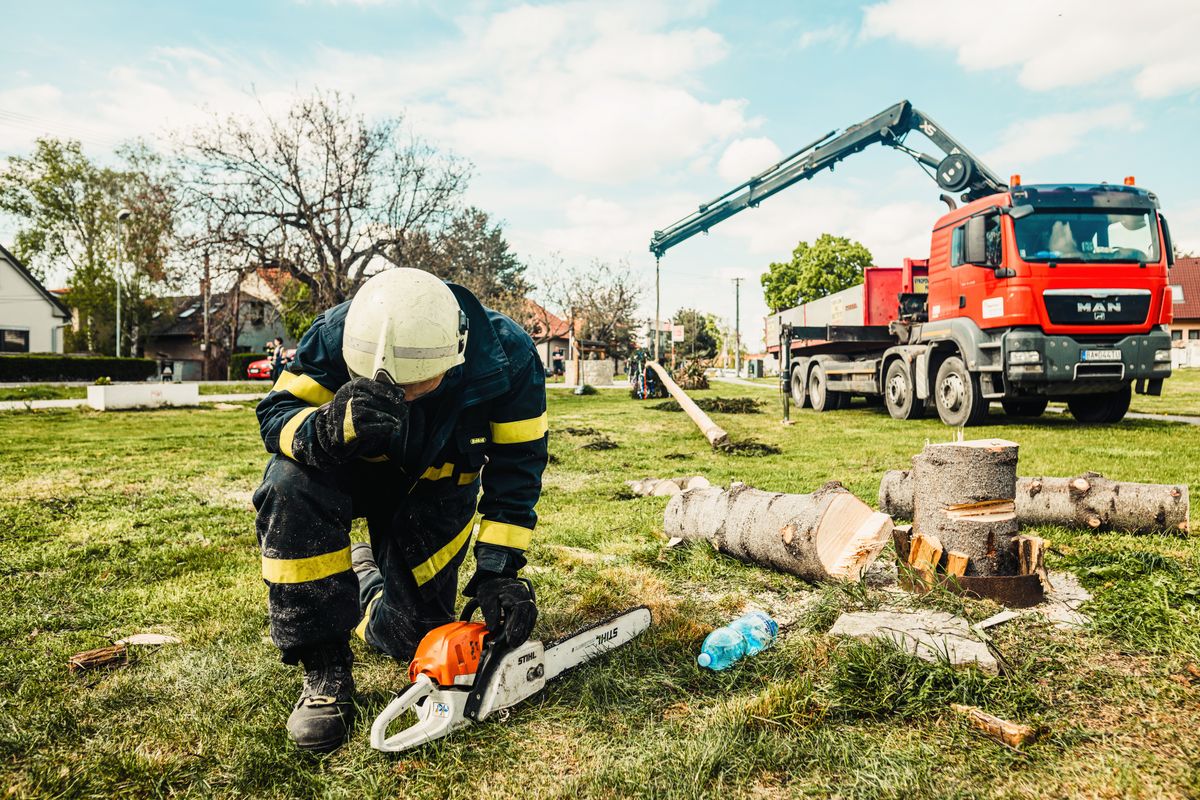
Tree work for offices, multifamily properties, retail sites, institutions, and managed properties.
Learn about commercial tree service →
Planning and installation for replacement trees, new shade, screening, and long-term landscape structure.
Learn about tree planting →Supplemental support options for selected weak unions, heavy limbs, and structurally important trees.
Learn about tree cabling & bracing →College Station combines mature neighborhood trees, fast-growing residential areas, commercial properties, rural edges, summer heat, strong thunderstorms, periods of drought, and occasional freeze or ice damage. Those conditions can expose weak unions, deadwood, root problems, storm damage, and clearance conflicts.
Oak care adds another Texas-specific consideration. Texas A&M Forest Service recommends avoiding pruning or wounding oaks from February through June because of oak wilt risk and immediately painting fresh oak wounds at any time of year. Mature-tree pruning should also have a defined objective rather than simply removing as much canopy as possible.
College Station's residential brush program accepts qualifying household brush under specific placement rules, but the city lists contractor-generated waste as prohibited from that collection stream. If a tree company creates branches, logs, chips, or other debris, the estimate should clearly say whether hauling or disposal is included.
That one detail can materially change the job. A low bid that leaves several truckloads of wood behind may not be comparable to a bid that includes chipping and haul-off. Decide in advance whether you want wood left, cut into shorter sections, chipped, or removed.
Storm cleanup detailsGood tree service starts with a clear work zone and a defined result, not a chainsaw.
Tree service often needs more working room than the tree itself suggests. A limb may need space to swing, a grinder may need a clear gate, or brush may need a direct path from the backyard to a chipper or trailer. Before the scheduled work, move vehicles out of the driveway or street-side staging area if requested. Pick up patio furniture, grills, toys, hoses, portable planters, sports equipment, and decorations from the work zone. Unlock gates and make sure pets cannot enter the active area.
Point out features that may not be obvious from the surface. Irrigation lines, septic components, low-voltage lighting, invisible dog fencing, owner-installed wiring, drainage pipes, and recently repaired turf can all affect equipment movement. Public utility markings do not identify every private line on a property, so homeowner knowledge still matters. If the site becomes soft after rain, mention areas where trucks or grinders should not travel.
For multi-tree work, decide which outcomes matter most before the estimate. Safety clearance, deadwood, roof clearance, removal, stump grinding, and cosmetic shaping are different priorities. When the budget cannot cover everything at once, a clear priority list lets the scope focus first on hazards and access, then move to lower-priority maintenance later.
The core coverage target is roughly 30 driving miles from College Station. Anderson and Franklin are intentionally included as approved outer-edge markets because the travel is still practical for this site.
Height and trunk diameter matter, but so do lean, decay, branch structure, distance to buildings, access width, ground conditions, rigging needs, disposal, and the amount of work that can be completed from the ground. That is why generic per-tree pricing can be misleading for anything beyond straightforward work.
When comparing estimates, make sure the scopes match. One quote may include stump grinding, full haul-off, and a difficult rigging plan while another covers only cutting the tree to ground level and leaving wood on site. Price only makes sense after the deliverables are aligned.
Tell us what is happening on the property and how to reach you.
The site covers tree removal, trimming and pruning, stump grinding, emergency tree service, storm cleanup, commercial tree work, planting, and cabling or bracing. Exact provider capability should be confirmed for specialized work.
Removal is generally considered when the whole tree is dead, structurally unsound, badly placed, or no longer reasonably retainable. Pruning is more appropriate when the problem can be addressed by removing selected branches while retaining the tree.
Tree size, condition, access, proximity to structures and utilities, equipment needs, rigging complexity, debris volume, stump work, and travel all affect scope and price.
Yes. Bryan is part of the core service area, along with several nearby Brazos Valley communities listed on the Service Areas page.
The normal target is roughly 30 driving miles from College Station, with Anderson and Franklin specifically included as approved outer-edge markets.
College Station lists contractor-generated waste as prohibited from household brush and bulk collection, so hauling or disposal should be addressed in the tree-work scope.
Texas A&M Forest Service recommends avoiding pruning or wounding oaks from February through June because of oak wilt risk and painting fresh oak wounds immediately at any time of year.
Stay away from the tree and the line and contact the electric utility or emergency authorities. Do not cut, pull, climb, or handle a tree involved with energized conductors.
No. Stump grinding should be confirmed as a separate line item unless the estimate explicitly includes it.
Yes. The request form can be used for residential, commercial, multifamily, rental, and managed properties.
Include the property city, service needed, number of trees, what you are seeing, nearby structures or utilities, access constraints, and photos if the form allows them.
Scheduling depends on the job, location, current workload, weather, and whether the request is urgent. Call or submit the estimate form with the property details so current availability can be determined.
Send the job details online or call (979) 978-0490. Include the city, the number of trees, the problem you are seeing, and any access or structure concerns you already know about.
Tree work is too variable for a universal menu price, but useful local and national cost data gives homeowners a realistic starting point. These are planning ranges, not a binding estimate.
Common local planning range for many standard College Station removals. Around $900 is the local midpoint reported by HomeBlue; technical removals can run much higher.
Local planning range for a three-person crew. Total job cost depends on time, tree count, height, access, and cleanup.
Common national planning range for professional stump grinding. Large diameter and difficult access can push the total higher.
National planning range for dump trips, separate from the cutting or removal work itself.
Why the spread? Height, trunk diameter, condition, roof/fence/utility proximity, equipment access, rigging, haul-off, stump work, and urgency can move the quote dramatically.
See the full cost & pricing guide